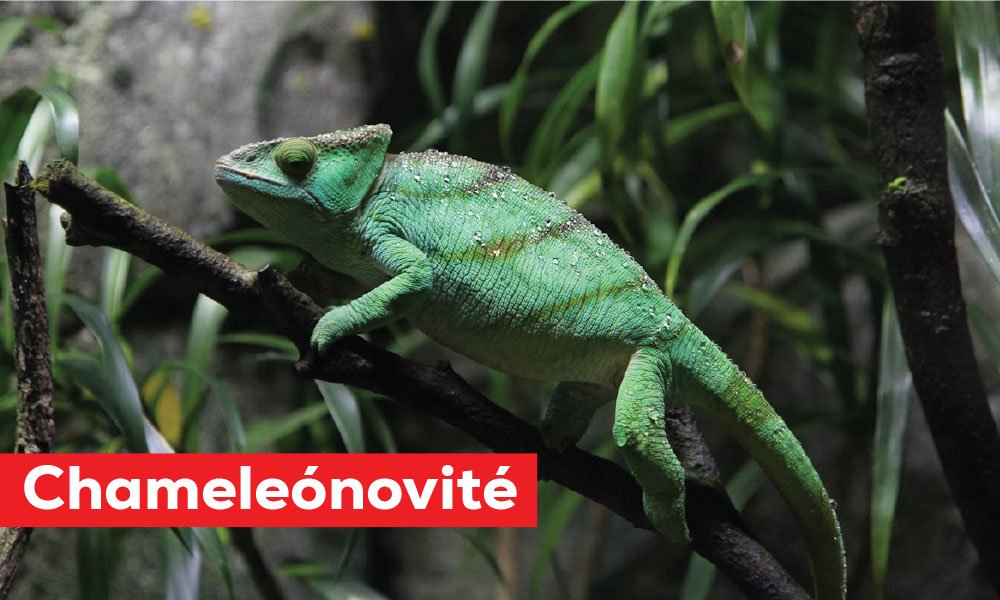
Have you ever seen a lizard change color right in front of your eyes? It almost feels like magic. That’s exactly what makes chameleónovité so special and exciting to learn about. These animals are not just colorful. They are smart, quiet, and perfectly designed to survive in nature.
Many people think chameleons are simple animals. But when you look closely, you will see something amazing. Their eyes move in different directions. Their tongue shoots out faster than you can blink. And their body helps them hide in plain sight. It’s like nature gave them superpowers.
In this article, we will explore the hidden world of chameleónovité. You will learn what they are, where they live, how they change color, and how they survive every day. By the end, you will see why these reptiles are truly magical.
What Is Chameleónovité?
The word chameleónovité is the scientific name for the chameleon family. In simple words, it means a group of reptiles known as chameleons. Scientists call this group Chamaeleonidae. There are more than 200 different species in this family.
Even though all chameleónovité are chameleons, they do not all look the same. Some are very small and can sit on your finger. Others are bigger and have bright colors. But they all share special features like color change, strong grip, and sharp vision.
What makes chameleónovité different from other reptiles is how they live and move. They are not fast runners. Instead, they move slowly and carefully. They use smart tricks like color change and body movement to stay safe and catch food.
Where Chameleónovité Live in the World
Most chameleónovité live in Africa and Madagascar. Madagascar is one of the most important places for chameleons. It has many species that you cannot find anywhere else in the world. This makes it a special home for these reptiles.
Some chameleónovité also live in parts of Asia, the Middle East, and southern Europe. These areas have fewer species, but they still support chameleon life. Each region gives them a different kind of environment to adapt to.
Chameleons usually choose warm places. They like areas with trees, plants, and sunlight. Forests, bushes, and even dry lands can be their home. Their ability to live in different places shows how strong and adaptable chameleónovité really are.
Types of Chameleónovité You Should Know
There are many types of chameleónovité, and each one is unique in its own way. Some of the most popular ones include the veiled chameleon, the panther chameleon, and the dwarf chameleon. These species are often seen in pictures and documentaries.
The veiled chameleon is known for the tall shape on its head. The panther chameleon is famous for its bright and colorful skin. Dwarf chameleons are much smaller and often live hidden in plants and leaves.
Madagascar is home to many rare and special species. Some of them are so small that they can fit on a fingertip. Scientists are still discovering new types of chameleónovité, which shows that there is still so much to learn about them.
Amazing Features of Chameleónovité
What makes chameleónovité truly magical are their unique body features. These features are not just for looks. They help them survive in the wild every day.
One of the most famous features is their color-changing skin. They can turn green, brown, yellow, or even bright colors. But this is not just for hiding. It also helps them show their mood and communicate with others.
Their eyes are also very special. Each eye can move in a different direction. This means they can look at two things at once. On top of that, their long sticky tongue helps them catch food quickly. Their feet and tail help them hold onto branches, making them perfect tree climbers.
How Chameleónovité Change Color
Many people think color change in chameleónovité is magic, but it is actually science. Inside their skin, they have special cells that control color. These cells work together to create different shades and patterns.
There are tiny layers in their skin that reflect light. When these layers move closer or farther apart, the color changes. This is why a chameleon can switch from green to brown or even brighter colors in a short time.
This process happens very quickly. A chameleon can change color in seconds. It may look like a simple trick, but it is actually a complex system inside their body. This makes chameleónovité one of the most interesting animals in nature.
Why Chameleónovité Change Color
Color change is not just about hiding. Chameleónovité use color as a way to communicate. For example, a male chameleon may show bright colors to attract a female or to warn another male to stay away.
They also change color based on how they feel. If they are scared, stressed, or excited, their color may change. It’s like their body is showing their emotions without using words.
Another important reason is temperature. Dark colors help them absorb heat when they are cold. Light colors help them stay cool in the sun. This smart system helps chameleónovité survive in different weather conditions.
How Chameleónovité See the World
The vision of chameleónovité is one of their strongest abilities. Their eyes can move separately, which means they can watch two different directions at the same time. This helps them stay safe from predators.
Imagine being able to look left and right at the same time without turning your head. That’s exactly what chameleons can do. This gives them a huge advantage in the wild.
When they see food, both eyes focus on one target. This helps them understand how far the prey is. Their sharp eyesight makes them excellent hunters and helps them survive in their natural environment.
How Chameleónovité Hunt Their Food
Chameleons are very patient hunters. Instead of running after food, chameleónovité stay still and wait. They watch carefully until an insect comes close enough.
Their favorite food includes insects like flies, crickets, and grasshoppers. Once they spot their prey, they act very fast. Their tongue shoots out in a split second and grabs the insect.
The tongue is sticky and strong. It pulls the food back into the mouth quickly. This hunting method helps chameleónovité save energy while still catching enough food to survive.
Daily Life of Chameleónovité
The daily life of chameleónovité is calm and quiet. They spend most of their time resting on branches or slowly moving through trees. Their slow movement helps them stay hidden from predators.
They also like to live alone. Chameleons are not social animals. They only come together when it is time to mate. If another chameleon comes too close, they may show warning colors.
Every small action in their day has a purpose. From moving slowly to changing color, everything helps them stay safe and survive. Watching their daily life shows how smart and careful these animals really are.
Life Cycle of Chameleónovité
The life cycle of chameleónovité is simple but very interesting. It usually starts with mating. Male chameleons often change to bright and bold colors to attract a female. They may also move their bodies in a special way to show strength and confidence.
After mating, the female lays eggs in soft soil or sand. Depending on the species, she may lay around 10 to 50 eggs at one time. She carefully covers them and then leaves. Unlike many animals, chameleons do not stay to care for their babies.
When the eggs hatch, the baby chameleons are on their own from the very first day. They must find food and stay safe without help. Life is not easy at this stage, but their natural instincts help them survive in the wild.
Why Chameleónovité Are Important in Nature
You might wonder, why do chameleónovité matter so much? The answer is simple. They help keep nature balanced. By eating insects, they control insect numbers. This protects plants and helps farmers as well.
At the same time, chameleons are food for other animals. Birds, snakes, and some mammals hunt them. This makes them an important part of the food chain. Every small role they play helps keep ecosystems healthy.
Scientists also study chameleónovité to learn about evolution and adaptation. Their bodies show how animals can change over time to fit their environment. This makes them very valuable for research and learning.
Threats Facing Chameleónovité Today
Even though chameleónovité are amazing survivors, they face many problems today. One of the biggest threats is habitat loss. Forests are being cut down, and natural homes are disappearing quickly.
Climate change is another serious issue. Changes in temperature and rainfall can make it hard for chameleons to survive. Some species cannot adjust fast enough to these changes.
Another problem is the illegal pet trade. Many chameleons are taken from the wild and sold. This reduces their population and harms nature. Some species, especially in Madagascar, are now at risk because of these dangers.
How We Can Protect Chameleónovité
Protecting chameleónovité is very important. One of the best ways is to protect forests and natural habitats. When we save their homes, we give them a chance to survive and grow.
Governments and conservation groups are also working to protect these animals. They create laws to stop illegal trade and support safe breeding programs. These steps help reduce pressure on wild populations.
You can also help in simple ways. Support wildlife groups, learn more about animals, and share awareness with others. Small actions can make a big difference for chameleónovité and other wildlife.
Chameleónovité as Pets: What to Know First
Many people find chameleónovité interesting and want to keep them as pets. But they are not easy to care for. They need special conditions to stay healthy and happy.
Chameleons need the right temperature, humidity, and lighting. UVB light is very important for their health. Without it, they can become weak or sick. They also need live insects like crickets and worms for food.
Another thing to remember is that chameleons do not like too much handling. They prefer quiet spaces. If they feel stressed, their health can suffer. That’s why chameleónovité are better for experienced pet owners.
Fun and Surprising Facts About Chameleónovité
There are many fun things to learn about chameleónovité. For example, their tongue can be longer than their body. It moves so fast that it can catch prey in less than a second.
Some chameleons are very small. One of the smallest can sit on the tip of your finger. Others can grow quite large and have bright, beautiful colors that change quickly.
Another surprising fact is their vision. They can see almost everything around them without moving their head. This gives them a big advantage in the wild and makes them one of the most unique reptiles on Earth.
Chameleónovité and Modern Science
In 2026, scientists are still learning from chameleónovité. Their color-changing skin has inspired new ideas in technology. Researchers are working on materials that can change color just like chameleons.
These ideas are used in clothing, design, and even robotics. For example, scientists are creating soft robots that can move and adapt like living creatures. This shows how nature can inspire human innovation.
By studying chameleónovité, we can discover new ways to solve problems. Their natural abilities give us ideas for the future, from smart materials to better tools and devices.
Conclusion
Chameleónovité are truly one of nature’s most magical creations. From their color-changing skin to their powerful vision and fast tongue, every part of their body has a purpose. They are quiet, smart, and perfectly designed for their environment.
They also remind us how important every animal is. Even small creatures like chameleons play a big role in keeping nature balanced. Without them, ecosystems could change in ways we may not expect.
As we move forward, it is important to protect chameleónovité and their homes. By learning about them and respecting nature, we can make sure these amazing reptiles continue to live and inspire future generations.
(FAQs)
What does Chameleónovité mean?
Chameleónovité is the scientific name for the chameleon family, also called Chamaeleonidae. It includes more than 200 species of reptiles known for changing color, moving their eyes separately, and using long sticky tongues to catch food.
Where do Chameleónovité mostly live?
Most Chameleónovité live in Africa and Madagascar. These places have the largest number of species. Some chameleons also live in parts of Asia, the Middle East, and southern Europe where the weather is warm.
Why do Chameleónovité change color?
Chameleónovité change color for many reasons. They use it to communicate, show mood, control body temperature, and sometimes to hide. It is not only for camouflage as many people believe.
How do Chameleónovité catch their food?
They use a long, fast tongue that shoots out quickly. The tip of the tongue is sticky and grabs insects like flies and crickets. This happens in a split second, making them very effective hunters.
Can all Chameleónovité change color?
Yes, all Chameleónovité can change color, but not all change in the same way. Some show only simple color shifts, while others display bright and complex patterns depending on their mood and environment.
Are Chameleónovité good pets for beginners?
No, Chameleónovité are not ideal for beginners. They need special care like proper lighting, temperature, and humidity. They also prefer to be left alone and can get stressed easily if handled too much.
What do Chameleónovité eat?
Chameleónovité mainly eat insects such as crickets, grasshoppers, and flies. Larger species may sometimes eat small birds or reptiles, but insects are their main food source.
How do Chameleónovité see the world?
Their eyes can move in different directions, allowing them to see almost everything around them. When they find food, both eyes focus on one target to judge distance before catching it.
What are the biggest threats to Chameleónovité?
The main threats include habitat loss, climate change, and illegal pet trade. Many species are losing their natural homes, especially in Madagascar, which puts them at risk.
Why are Chameleónovité important in nature?
Chameleónovité help control insect populations, which protects plants and crops. They are also part of the food chain and help keep ecosystems balanced and healthy.
Continue reading: Gelboodu: History, Culture, and Modern Digital Life





 Celebrity6 months ago
 Blog6 months ago
 Blog6 months ago
 Celebrity6 months ago