Have you ever felt pain that just won’t go away? Or maybe you lose balance while walking and wonder why it keeps happening? Many people think these problems are only about muscles. But the truth is, your brain and nerves play a huge role in how your body moves.
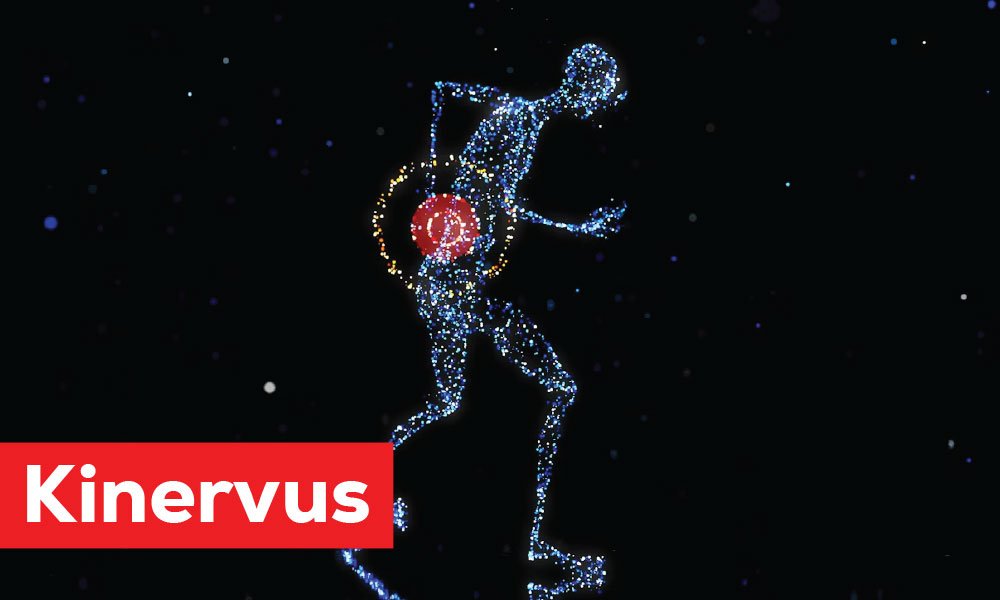
This is where Kinervus comes in. It is a modern way of looking at movement, pain, and recovery. Instead of only treating the body, it focuses on how the brain and body work together. This makes recovery smarter, not just harder.
In this article, we will explore everything about Kinervus. You will learn what it means, how it works, and why it is becoming so popular in 2026. We will also look at how it helps fix pain, improve balance, and make movement easier in daily life.
What Is Kinervus? (Simple Meaning Explained)
So, what exactly is Kinervus?
In simple words, Kinervus is a modern therapy approach that helps people move better by improving the connection between the brain, nerves, and muscles. It is not just about doing exercises. It is about teaching your body how to move the right way again.
Think about it like this. If your phone has a weak signal, it cannot work properly. In the same way, if your brain and muscles are not “talking” well, your movement becomes weak or painful. Kinervus helps fix that connection.
Another important thing is that Kinervus is not the same for everyone. It uses personalized plans. This means each person gets a treatment based on their own problem, lifestyle, and goals. That is why it works better than many old therapy methods.
Kinervus Meaning: How Brain and Body Work Together
The word Kinervus may sound new, but its meaning is very simple and powerful.
The first part, “kine,” means movement. It comes from kinesiology, which is the study of how our body moves. The second part, “nervus,” means nerves. It comes from Latin and refers to the nervous system.
When you combine both, Kinervus means: 👉 movement controlled by the nervous system
Now think about walking. It may feel simple, but your brain is sending signals every second to your muscles. If something goes wrong in that process, your movement becomes slow, painful, or unbalanced.
That is why Kinervus focuses on fixing the communication between your brain and body. When this connection improves, your movement becomes smoother, stronger, and more natural.
Why Kinervus Is Better Than Old Therapy Methods
Traditional therapy often focuses only on the painful area. For example, if your knee hurts, you may only do knee exercises. But this does not always fix the real problem.
Kinervus takes a different approach. It looks at the whole body and asks: 👉 Why is this problem happening in the first place?
Sometimes, knee pain may come from poor posture, weak balance, or even brain signals not working properly. By fixing the root cause, Kinervus gives better and longer-lasting results.
Another big difference is personalization. Old therapy methods often use the same routine for many people. But Kinervus creates a plan just for you. This makes recovery faster, safer, and more effective.
How Kinervus Helps Fix Pain Naturally
Pain can be very frustrating. You may try rest, medicine, or simple exercises, but the pain keeps coming back. This happens because the real cause is often not treated.
Kinervus helps fix pain by improving how your body moves. When your movement is wrong, it puts extra pressure on muscles and joints. Over time, this leads to pain.
For example, if you walk with poor balance, your back or knees may start hurting. Kinervus works by correcting these movement patterns. It teaches your body to move in a better and safer way.
Another important benefit is that it reduces muscle tension. Tight muscles can cause pain and stiffness. Through guided therapy and exercises, Kinervus helps relax the body and improve blood flow. This supports natural healing.
Kinervus for Better Balance and Stability
Have you ever felt like you might fall while walking? Or do you feel unsteady when standing for a long time? These are signs of balance problems.
Balance is not just about your legs. It is controlled by your brain, eyes, and inner ear. All these parts work together to keep you stable. If one part is weak, your balance gets affected.
Kinervus helps improve balance by training your brain and body together. It uses simple exercises that challenge your stability in a safe way. Over time, your body learns how to stay steady again.
This is especially helpful for older adults or people recovering from injury. Better balance means fewer falls, more confidence, and a safer daily life.
Kinervus and Movement: How It Improves Daily Life
Good movement is something we often take for granted. Walking, sitting, bending, or even standing all depend on proper body control. When movement is not right, daily life becomes difficult.
Kinervus focuses on improving these everyday actions. It does not just train muscles. It trains your body to move better in real-life situations.
For example, instead of only doing gym-style exercises, you may practice standing up from a chair, walking smoothly, or reaching for objects. These small improvements make a big difference in daily life.
Over time, people notice they feel stronger, more flexible, and more comfortable. Simple tasks become easier, and the body feels more natural and relaxed. This is the real goal of Kinervus—to make life easier through better movement.
Who Needs Kinervus Therapy the Most?
You might be wondering, Is Kinervus only for people with serious problems? The answer is no. Many different people can benefit from Kinervus.
For example, people who have injuries often struggle with pain and weak movement. Kinervus helps them recover safely and return to normal life faster.
It is also very helpful for people with neurological conditions like stroke or Parkinson’s disease. These conditions affect how the brain controls the body. Kinervus helps rebuild that connection step by step.
Children with movement delays can also benefit. If a child is slow to walk or has poor coordination, early therapy can make a big difference. Even athletes use Kinervus to recover from injuries and improve performance.
Types of Treatments Used in Kinervus
One of the best things about Kinervus is that it uses different types of therapy based on what a person needs. It is not limited to just one method.
Neurological rehabilitation is a key part. This helps people who have problems with brain and nerve signals. It focuses on improving control, coordination, and movement.
Musculoskeletal therapy is also common. This treats problems in muscles, joints, and bones. It helps reduce pain, improve strength, and increase flexibility.
There is also pediatric physiotherapy for children. This supports healthy growth and movement. In addition, Kinervus includes manual therapy like massage and joint movement, as well as lymphatic drainage to reduce swelling and improve healing.
Why Personalized Kinervus Plans Work Better
Every person is different. Two people can have the same pain but for completely different reasons. That is why personalized care is so important.
Kinervus starts with a detailed assessment. The therapist looks at how you move, your posture, your strength, and your balance. They also ask about your daily life and goals.
Based on this, a custom plan is created just for you. This plan changes over time as you improve. If something is not working, it is adjusted.
This flexible approach makes Kinervus very effective. Instead of following a fixed routine, your therapy grows with you. This leads to better results and long-term improvement.
Modern Technology in Kinervus Therapy
As we move further into 2026, therapy is no longer just about hands-on treatment. Technology is now playing a big role in how people recover. Kinervus uses modern tools to make therapy smarter, safer, and more effective.
For example, some clinics use motion sensors or simple cameras to track how your body moves. These tools can show if your posture is wrong or if you are putting too much pressure on one side. This helps therapists understand your problem more clearly.
There are also smart systems that give real-time feedback. Imagine doing an exercise and getting instant guidance if you are doing it wrong. That is the power of Kinervus combined with technology. It makes learning movement easier and faster.
Benefits of Kinervus for Health and Life
One of the biggest benefits of Kinervus is pain relief. When your body moves the right way, there is less stress on your joints and muscles. This naturally reduces pain without relying too much on medicine.
Another important benefit is better balance and coordination. People who once felt weak or unsteady often regain confidence. They can walk better, stand longer, and move without fear.
Kinervus also improves daily life. Simple things like getting out of bed, climbing stairs, or carrying groceries become easier. Over time, people feel more independent and active. This not only helps the body but also improves mood and mental health.
Challenges and Things to Know Before Starting Kinervus
Even though Kinervus is very helpful, it is important to understand a few things before starting. First, not every clinic offers this advanced approach. You may need to find a trained therapist who understands this method well.
Another thing is patience. Kinervus is not a quick fix. It focuses on long-term improvement. This means you need to stay consistent with your therapy and follow your plan carefully.
Cost can also vary. Personalized therapy and modern tools may sometimes cost more than basic treatment. But many people find it worth it because the results last longer and improve overall quality of life.
The Future of Kinervus in 2026 and Beyond
The future of Kinervus looks very exciting. As technology grows, therapy will become even more advanced and personalized. We are already seeing tools like wearable devices that track movement throughout the day.
In the coming years, artificial intelligence may help create even smarter therapy plans. These systems can study your progress and suggest changes instantly. This means faster recovery and better results.
There is also growing awareness about the brain-body connection. More people now understand that true recovery comes from both physical and neurological improvement. Because of this, Kinervus is becoming a global trend in modern healthcare.
Conclusion
Kinervus is not just another therapy method. It is a smarter and more complete way to fix pain, balance, and movement. By focusing on the connection between the brain and body, it helps people recover in a deeper and more lasting way.
Unlike old methods that only treat symptoms, Kinervus looks at the full picture. It creates personalized plans, improves real-life movement, and supports long-term health. This makes it a powerful choice for many people.
As we move forward, approaches like Kinervus will continue to grow. They bring together science, care, and modern tools to help people live better lives. In simple words, Kinervus helps you move better, feel better, and live stronger every day.
(FAQs)
What is Kinervus in simple words?
Kinervus is a modern therapy approach that helps people move better by improving how the brain, nerves, and muscles work together. It focuses on fixing the root cause of pain and movement problems, not just the symptoms. This makes recovery more natural and long-lasting.
How does Kinervus help reduce pain?
Kinervus reduces pain by correcting the way your body moves. When movement is wrong, it puts stress on muscles and joints. Through guided exercises and therapy, it improves posture and movement patterns, which helps reduce pain over time without heavy use of medicine.
Who should try Kinervus therapy?
Many people can benefit from Kinervus. It is helpful for those with injuries, back pain, or joint problems. It also supports stroke patients, people with neurological conditions, children with movement delays, athletes, and older adults who have balance issues.
Is Kinervus better than traditional physiotherapy?
Yes, in many cases Kinervus is more effective because it focuses on the whole body and the nervous system. Traditional therapy often targets only the painful area, while Kinervus looks at the root cause and creates a personalized plan for better results.
How long does it take to see results with Kinervus?
The time can vary for each person. Some people feel small improvements within a few weeks, while others may take longer depending on their condition. Since Kinervus focuses on long-term recovery, consistent effort is important for the best results.
Does Kinervus use modern technology?
Yes, many Kinervus programs use modern tools like motion tracking, sensors, and smart systems. These tools help track movement, give real-time feedback, and improve the accuracy of therapy. This makes treatment more advanced and effective in 2026.
Can Kinervus improve daily life and independence?
Absolutely. Kinervus helps people move more easily and safely. This makes daily tasks like walking, standing, and lifting much easier. Over time, it builds confidence, reduces fear of falling, and helps people live a more independent and active life.
Continue reading: Rosboxar: The All-in-One Platform That Makes Work Faster and Easier





 Celebrity6 months ago
 Blog6 months ago
 Blog6 months ago
 Celebrity6 months ago