Have you ever seen the word kouskousi and felt confused? You are not alone. Many people search this word and ask the same question: Is kouskousi couscous, or is it pasta? The answer is not as simple as it looks, and that is what makes this topic so interesting.
In today’s world, where food trends travel fast, kouskousi is getting a lot of attention again in 2026. People love trying new dishes, and this one has a long story behind it. Some people know it as a soft, fluffy dish from North Africa. Others know it as a chewy pasta from Greece.
In this article, we will explain everything in a very simple way. You will learn what kouskousi really is, where it comes from, how it is made, and why people still love it today. By the end, you will not feel confused anymore—you will feel confident talking about it.
What Is Kouskousi? A Simple and Clear Meaning
Let’s keep it very simple. Kouskousi is a food made from semolina, which comes from wheat. But here is the surprising part—it does not always mean the same thing.
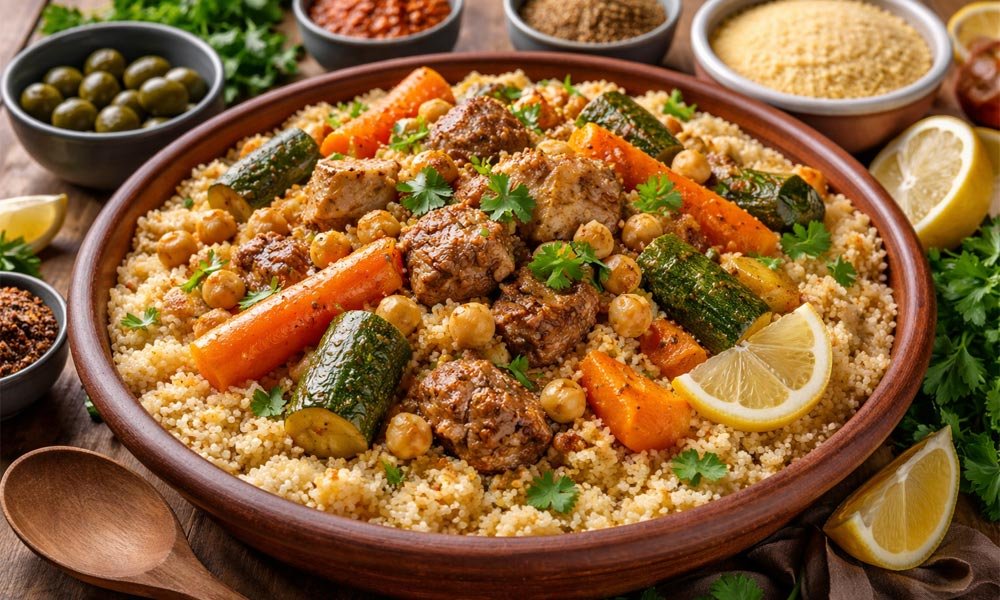
In North Africa, kouskousi is the same as couscous. It is made from very small grains that are steamed. When cooked, it becomes soft, light, and fluffy. People often eat it with vegetables, meat, or rich sauces.
But in Greece and some Balkan countries, kouskousi is different. It is more like pasta. The grains are bigger and round, almost like tiny pearls. Instead of steaming, people boil it like rice or pasta. The texture is firmer and slightly chewy.
So, when someone says kouskousi, the meaning depends on where they are from. That is why so many people feel confused. But now you know—it can be both!
Kouskousi vs Couscous: What’s the Real Difference?
Many people think kouskousi and couscous are the same thing. But there are some clear differences, and understanding them is very helpful.
First, let’s talk about texture. Couscous is soft and fluffy. It almost feels like light grains that melt in your mouth. On the other hand, Greek kouskousi is firmer. It has a bite, just like pasta. So when you eat it, it feels more solid.
Next is the cooking method. Couscous is usually steamed. This is why it becomes so light. But kouskousi in Greek cooking is boiled in water or broth. This gives it a richer and heavier feel.
Finally, there is the look. Couscous grains are very small and fine. Kouskousi grains are bigger and round. So even before cooking, you can see the difference.
Once you understand these simple points, the confusion disappears. You can easily tell which one is which.
Is Kouskousi a Pasta or a Grain? (Easy Answer)
This is one of the most common questions people ask. Is kouskousi a grain, or is it pasta? The answer is simple, but it depends on the type.
Both couscous and kouskousi are made from semolina, which comes from wheat. Because of this, they are not whole grains like rice or quinoa. They are actually made food products, shaped and prepared in different ways.
Couscous feels like a grain because of its tiny size and soft texture. That is why many people think it is a grain. But in reality, it is closer to pasta because it is made from processed wheat.
Greek kouskousi, however, is clearly a pasta. It is shaped into small balls and cooked in boiling liquid. So if you are eating that version, you are definitely eating pasta.
So the easy answer is this: kouskousi can be both, but technically, it is closer to pasta.
Where Did Kouskousi Come From? (Origin Story)
The story of kouskousi goes back many years. It started in North Africa, where people needed simple and strong food to survive in dry and hot areas.
The Berber people were the first to make couscous. They used semolina and rolled it by hand into small grains. Then they steamed it over a pot. This method helped them make food that lasted longer and tasted good.
Over time, this dish spread to countries like Morocco, Algeria, Tunisia, and Libya. It became part of daily life. Families cooked it often, and it became a symbol of home and comfort.
As trade and travel grew, the idea of using semolina spread to other regions. In Greece and the Balkans, people created their own version, which became kouskousi pasta. They shaped it differently and cooked it in a new way.
Today, kouskousi is known all over the world. It even received global recognition as part of cultural heritage. This shows how important it is in food history.
Why Kouskousi Is Important in Culture and Family Life
For many people, kouskousi is more than just food. It is a big part of family life and tradition. It brings people together in a very special way.
In North Africa, families often eat couscous on Fridays. It is a special day, and everyone sits together to share a big meal. The dish is usually placed in the center, and everyone eats from the same plate. This creates a strong feeling of connection.
During weddings, holidays, and religious events, kouskousi is almost always present. It shows care, love, and respect for guests. Serving this dish means you are welcoming people warmly.
Even today, many families pass down their recipes from one generation to the next. A mother teaches her children, and the tradition continues. This is why kouskousi is not just about taste—it is about memories and togetherness.
What Is Kouskousi Made Of? (Simple Ingredients)
One of the best things about kouskousi is how simple it is. It does not need many ingredients, but it still tastes amazing.
The main ingredient is semolina. This comes from durum wheat, which is strong and perfect for making this type of food. It gives kouskousi its shape and texture.
To add flavor, people use simple spices. Common ones include cumin, cinnamon, paprika, and coriander. These spices give a warm and rich taste without being too strong.
Then come the extras. Vegetables like carrots, zucchini, and tomatoes add color and freshness. Many people also add chicken, lamb, or chickpeas to make the dish more filling.
Finally, olive oil and fresh herbs like parsley are added. These small touches make a big difference. They bring everything together and make kouskousi taste even better.
How to Cook Kouskousi (Traditional vs Modern Ways)
Cooking kouskousi can be simple or detailed, depending on how you want to do it. There are two main ways: traditional and modern.
The traditional method takes more time, but it gives the best result. People use a special pot called a couscoussier. The semolina is steamed slowly, sometimes more than once. Between each step, it is fluffed and prepared again. This process makes the grains light, soft, and full of flavor.
Many people say this method creates the best taste. It also connects you to the old way of cooking, which feels special and meaningful.
The modern method is much faster. You can use pre-made couscous. Just add hot water or broth, cover it, and wait a few minutes. Then fluff it with a fork, and it is ready to eat.
For Greek kouskousi, the method is different. It is cooked like pasta. You boil it in water or broth until it becomes tender. This gives it a stronger texture.
Both methods work well. It depends on your time and what kind of kouskousi you are making.
Popular Kouskousi Dishes You Should Try
One of the best things about kouskousi is how many ways you can enjoy it. It is a very flexible dish that works with many flavors.
A classic example is kouskousi with lamb and vegetables. This dish is rich and full of flavor. The meat is soft, and the vegetables add color and sweetness. Everything sits on top of fluffy couscous.
Another popular choice is chicken with raisins. This dish mixes sweet and savory flavors. The raisins add a soft sweetness, while the chicken gives it a strong taste. It is a favorite in many homes.
If you prefer something lighter, you can try a couscous salad. It is fresh, simple, and perfect for warm days. Just mix kouskousi with tomatoes, cucumber, herbs, and a little lemon.
There are also vegetarian options with chickpeas and roasted vegetables. And in some places, people even make sweet versions with honey and nuts.
As you can see, kouskousi can fit any taste and any meal.
Health Benefits of Kouskousi (Is It Good for You?)
Now you might be wondering, is kouskousi actually healthy? The simple answer is yes—especially when you prepare it the right way.
First, kouskousi gives your body energy. It is rich in carbohydrates, which help you stay active throughout the day. If you eat it for lunch, it can keep you full and focused for hours. That is why many people include it in daily meals.
It also supports digestion. When you use whole wheat couscous, it contains more fiber. Fiber helps your stomach work better and keeps things moving smoothly. This is very helpful for people who want a balanced and healthy diet.
Another good thing is that kouskousi is low in fat. On its own, it is light and simple. When you add vegetables, lean meat, or chickpeas, it becomes a complete and healthy meal. It also has small amounts of important nutrients like iron and magnesium.
So yes, kouskousi can be a great choice. You just need to pair it with the right ingredients.
Common Mistakes When Cooking Kouskousi
Even though kouskousi is easy to cook, many people make small mistakes that change the final result. Let’s look at some common ones so you can avoid them.
One big mistake is overcooking. When you cook it too long, the grains become too soft and sticky. This removes the light and fluffy texture that makes kouskousi special. So always watch the time carefully.
Another mistake is not fluffing the grains. After cooking, you should always use a fork to separate them. If you skip this step, the grains stick together and form lumps. This makes the dish less enjoyable.
Many people also use plain water instead of broth. While water works, it does not add much flavor. If you use vegetable or chicken broth, your kouskousi will taste much richer and more delicious.
Avoiding these small mistakes can make a big difference in your cooking.
Why Kouskousi Is Trending Again in 2026
In 2026, kouskousi is becoming popular again, and there are some clear reasons behind it.
One big reason is the rise of the Mediterranean diet. People now want simple, healthy, and natural food. Kouskousi fits perfectly into this trend. It is light, easy to cook, and works well with fresh ingredients.
Social media also plays a big role. Food videos and recipes are everywhere. People love sharing colorful dishes, and kouskousi looks beautiful with vegetables, herbs, and sauces. This makes it perfect for online content.
Another reason is convenience. Modern versions of kouskousi are quick to prepare. Busy people can cook a healthy meal in just a few minutes. At the same time, chefs are using it in creative ways in restaurants.
All of this has helped kouskousi become popular again around the world.
Kouskousi vs Other Foods (Rice, Quinoa, Pasta)
You might be thinking, how does kouskousi compare to other foods like rice or pasta? Let’s make it simple.
Compared to rice, kouskousi is lighter and cooks faster. Rice is soft and slightly sticky, while kouskousi feels more separate and fluffy. So if you want something light, kouskousi is a great choice.
When compared to quinoa, there is a difference in nutrition. Quinoa has more protein, but kouskousi is still a good energy source. It also has a softer taste, which many people enjoy.
Now think about pasta. Greek kouskousi is very close to pasta in texture. But it is smaller and absorbs flavor quickly. This makes it perfect for dishes with rich sauces.
So each food has its place. But kouskousi stands out because it is simple, fast, and very flexible.
How to Cook Kouskousi Perfectly (Easy Steps)
If you want to cook kouskousi perfectly every time, just follow a few simple steps.
Start with the right amount of liquid. A good rule is one cup of kouskousi to about one and a half to two cups of water or broth. Using broth is always better because it adds flavor.
Next, you can lightly toast the grains before cooking. This step is optional, but it gives a nice nutty taste. After that, add your liquid and cook or steam, depending on the type you are using.
Once it is done, let it rest for a few minutes. Then use a fork to fluff it gently. This helps keep the grains separate and soft.
Finally, add a little olive oil and fresh herbs. This simple step makes your kouskousi taste fresh and complete.
Conclusion
So now you know the truth—kouskousi is not just one thing. It can be couscous, and it can also be pasta. It all depends on where you are and how it is made.
But beyond that, kouskousi is a story. It carries history, culture, and tradition from one generation to another. It brings people together, whether it is a simple family meal or a big celebration.
It is also very flexible. You can make it simple or rich, light or filling. You can cook it the traditional way or use a quick modern method. No matter how you prepare it, it always feels warm and satisfying.
So the next time you hear the word kouskousi, you will not feel confused. Instead, you will know exactly what it means—and maybe even feel excited to try it yourself.
(FAQs)
Is kouskousi the same as couscous?
Not always. In North Africa, kouskousi is the same as couscous, which is soft and steamed. But in Greece and the Balkans, kouskousi is a type of small pasta with a firmer texture. So the meaning depends on the region.
Is kouskousi a pasta or a grain?
Kouskousi is closer to pasta, even though it may look like a grain. It is made from semolina, which is processed wheat. The Greek version is clearly pasta, while couscous just feels like a grain because it is small and soft.
What does kouskousi taste like?
Kouskousi has a mild and slightly nutty taste. On its own, it is simple. But it easily absorbs flavors from spices, vegetables, and sauces, which makes it very delicious when cooked properly.
Is kouskousi healthy to eat?
Yes, kouskousi can be a healthy meal. It gives energy from carbohydrates and has some vitamins and minerals. If you add vegetables, lean meat, or chickpeas, it becomes a well-balanced and healthy dish.
How do you cook kouskousi quickly at home?
The easiest way is to use instant couscous. Just add hot water or broth, cover it, and wait 5 minutes. Then fluff it with a fork. This quick method is perfect for busy days.
What is the traditional way to cook kouskousi?
Traditionally, kouskousi is steamed using a special pot called a couscoussier. The grains are steamed more than once to make them light and fluffy. This method takes more time but gives the best taste and texture.
What dishes can you make with kouskousi?
You can make many dishes with kouskousi, such as:
It is very flexible and works in many recipes.
Why is kouskousi so popular in 2026?
Kouskousi is trending again because people want simple and healthy food. It is also popular on social media and fits well with the Mediterranean diet. Plus, it is quick to cook and easy to customize.
Does kouskousi contain gluten?
Yes, kouskousi contains gluten because it is made from wheat. People who are gluten-sensitive should avoid it or look for alternatives made from corn or other grains.
What is the difference between kouskousi and rice?
The main difference is texture and cooking style. Kouskousi is lighter and fluffier, while rice is softer and slightly sticky. Kouskousi also cooks faster and absorbs flavors more easily than rice.
You may also read: Neatlanta: A Fresh Look at Atlanta’s Smart and Creative Future