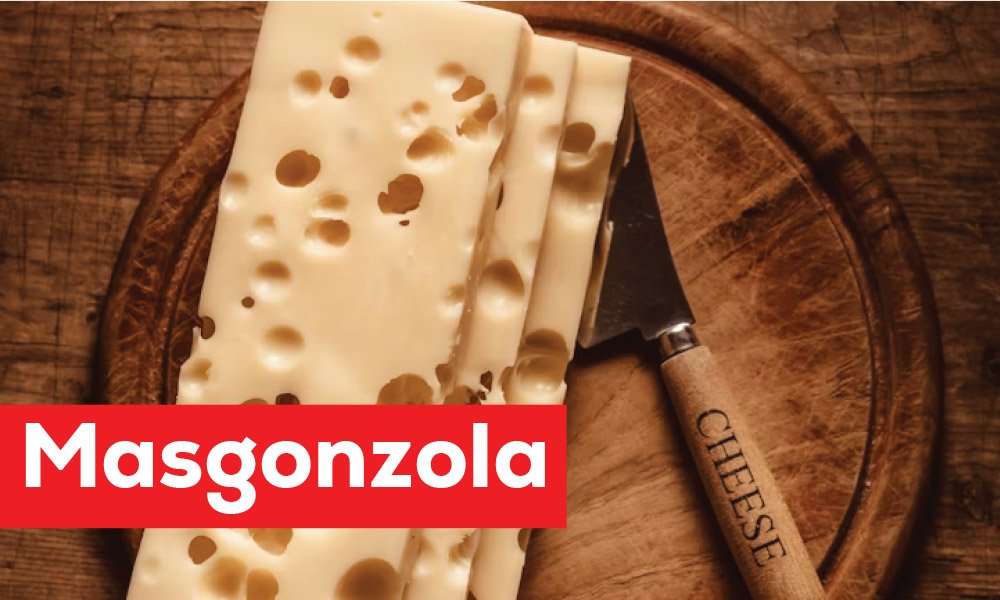
Have you noticed how food lovers in 2026 are always looking for something new, tasty, and fun to talk about? One day it is a new pasta dish. The next day it is a new kind of cheese. That is where masgonzola comes in. The name sounds rich, creamy, and a little fancy. It also makes people curious right away. Is it a real cheese? Is it a mix of two cheeses? Or is it a fresh food idea that people are just starting to enjoy?
That is exactly why so many people are searching for masgonzola right now. It feels familiar, but also new. It brings together the comfort of soft, creamy cheese and the bold touch of blue cheese flavor. For people who love trying new foods, it sounds exciting. For people who normally stay away from strong cheeses, it sounds much easier to enjoy.
In this article, we will look at everything in a simple and clear way. We will talk about what masgonzola means, where the idea comes from, what it tastes like, and why it is getting attention online. We will also look at how it compares to gorgonzola and why it may become even more popular in the food world. So if you have been curious about masgonzola, you are in the right place.
What Is Masgonzola?
So, what is masgonzola? In very simple words, masgonzola is usually described as a soft, creamy, blue-style cheese idea. It is not known as a traditional cheese with old rules and official papers behind it. Instead, it is more of a modern food concept that takes inspiration from famous Italian cheeses and gives them a smoother, easier style.
Many people explain masgonzola as something that feels like a mix between mascarpone and gorgonzola. That idea makes sense right away. Mascarpone is known for being rich, smooth, and soft. Gorgonzola is known for its blue veins, tangy taste, and stronger flavor. When people talk about masgonzola, they usually mean a cheese idea that blends these two worlds together in a way that feels creamy, balanced, and more friendly for everyday eating.
This is also why masgonzola stands out. It gives people the feeling of blue cheese without making it too sharp or too strong. Think of it like this: what if blue cheese had a softer side? What if it kept some character, but felt easier to spread, melt, and enjoy? That is the simple idea behind masgonzola, and that is why so many readers and food lovers find it interesting.
Is Masgonzola a Real Cheese or Just an Idea?
This is one of the biggest questions people ask. The simple answer is that masgonzola is mostly seen as an idea, not an officially recognized cheese like gorgonzola, parmesan, or cheddar. You will not usually find it listed as a classic cheese with strict rules about how it must be made. That is important to understand from the start, because it helps remove confusion.
Even though masgonzola is not an official cheese in the old, traditional sense, that does not make it useless or fake. In today’s food world, many new names start as creative ideas. Some come from chefs testing flavors. Some come from food writers trying to describe a new style. Others begin as branding ideas that catch people’s attention online. Masgonzola fits very well into that kind of modern food trend.
In other words, masgonzola works like a flexible food term. It can describe a creamy blue-style cheese concept. It can be used in recipes, food blogs, or creative menus. It can even work as a brand idea for a product in the future. That is part of what makes it exciting. It is not locked into one strict box. It gives people room to imagine, create, and enjoy.
Masgonzola Origin: Where Did This Idea Come From?
The name masgonzola sounds like it has an Italian heart, and that is one reason it feels so attractive. When people first hear it, they often think of famous Italian cheese right away. The second part of the word clearly brings gorgonzola to mind. That gives it a rich food image from the very beginning. It feels traditional, even if it is actually a newer idea.
The first part, “mas,” makes many people think of mascarpone. That is where the soft and creamy side of the idea comes in. When you put those sounds together, masgonzola starts to feel like a smooth meeting point between two well-known cheese styles. Even if the word is modern, it still carries the feeling of old-world cheese making, which is a smart and powerful mix.
Most likely, masgonzola grew from creative food writing, online searches, and modern branding ideas. In recent years, food terms have spread quickly through blogs, social media, recipe websites, and gourmet trends. Sometimes a single new word can open the door to a whole new food story. That seems to be what happened here. The name is easy to remember, easy to search, and strong enough to make people stop and ask, “What is that?”
Masgonzola Flavor: What Does It Taste Like?
When people describe the taste of masgonzola, they usually talk about balance. That is the key word. It is imagined as creamy and rich, but not heavy in a bad way. It has a little tang, but not too much. It has some blue cheese style, but it does not hit you with a sharp taste the way stronger cheeses sometimes do. That is what makes it sound so appealing.
If you have ever wanted to try blue cheese but felt unsure because the smell or taste seemed too strong, masgonzola sounds like the kind of cheese you would feel safer starting with. It is often described as buttery, smooth, and lightly bold. So instead of feeling harsh, it feels rounded and soft. You still get depth and character, but in a gentler way.
A good way to picture the flavor is to imagine a creamy cheese spread with a mild blue cheese touch added to it. Not too sweet. Not too salty. Not too sharp. Just enough flavor to make things interesting. That is why masgonzola is often called a blue cheese idea for beginners. It gives people a way into that world without making the experience feel too big or too intense.
Masgonzola Texture: Soft, Smooth, and Spreadable
One of the most attractive things about masgonzola is its texture. People usually imagine it as soft, creamy, and very easy to spread. This is one big reason why the cheese concept feels so friendly. A crumbly or firm cheese can be great, but a smooth cheese often feels more comforting and easier to use in everyday food.
Because masgonzola is linked in people’s minds to mascarpone and soft gorgonzola, the texture is usually described as silky and rich. It may have a little body to it, but not too much. You can picture it on warm bread, melted into a pasta sauce, or spooned into a risotto. It feels like the kind of cheese that works with very little effort.
This soft texture also makes masgonzola more flexible in the kitchen. A spreadable cheese is useful in many ways. It can go on crackers, mix into dips, melt over vegetables, or turn a plain dish into something that feels special. That is another reason people are so drawn to the idea of masgonzola. It is not just about taste. It is also about how easy and enjoyable it feels to use.
Masgonzola vs Gorgonzola: What’s the Difference?
Since the names sound close, many people think masgonzola and gorgonzola must be almost the same. But the truth is, there is a clear difference. Gorgonzola is a real and traditional Italian cheese with a long history. It has set styles, known flavors, and a strong place in the cheese world. Masgonzola, on the other hand, is a newer and more flexible concept.
The biggest difference is the overall feel. Gorgonzola is often stronger, sharper, and more classic in taste. Some people love that bold flavor right away. Others need time to get used to it. Masgonzola is usually imagined as softer and milder. It keeps some of that blue cheese character, but it is easier to approach. That makes it more inviting for people who want something creamy and flavorful without going too far.
There is also a difference in identity. Gorgonzola is clearly defined. Masgonzola is open and creative. It can be shaped in different ways depending on who is using the term. That does not make it weaker. In fact, it gives it a modern edge. In a food world that loves new ideas, flexible names, and fresh concepts, masgonzola has room to grow in ways that a fixed traditional cheese does not.
How Masgonzola Is Made (Simple Idea)
Because masgonzola is not a standard cheese with official rules, the way it is made is usually explained as a concept. Still, we can imagine the process by looking at how soft blue-style cheeses are often made. It would likely start with good milk, usually cow’s milk, because that is common in many creamy cheeses. The milk would be warmed and mixed with ingredients that help it thicken and form curds.
After that, the curds would be cut and handled gently to keep the texture soft. This matters because masgonzola is meant to feel smooth and creamy, not dry or hard. At some point, blue cheese cultures would be added to create the mild blue veins and bring in that light tangy character. Then the cheese would be salted and shaped before moving into an aging stage.
The aging process would probably be shorter or softer than very strong blue cheeses if the goal is to keep masgonzola mild and easy to enjoy. Temperature and air would help shape the flavor and texture over time. The final result would be a cheese that feels rich, spreadable, and gently bold. In short, the making of masgonzola is less about strict rules and more about careful balance, soft texture, and creative cheese making.
Masgonzola Uses: How to Enjoy It in Food
Now that we have talked about what masgonzola is and how people imagine its taste and texture, the next question is simple. How do you actually enjoy it? This is where masgonzola becomes even more interesting. Because it is soft, creamy, and easy to work with, it can fit into many kinds of meals without much effort.
One easy way to enjoy masgonzola is by spreading it on warm bread, toast, or crackers. This is often the best place to start because it lets the flavor speak for itself. You do not need a long recipe. You do not need many extra ingredients. Just a little masgonzola on a slice of fresh bread can feel rich, smooth, and special. If you want, you can add a little honey or a few slices of pear on top for a sweet and salty mix.
It also works very well in hot dishes. A spoon of masgonzola can melt into pasta, risotto, or mashed potatoes and make them feel softer and fuller. Think about a plain bowl of pasta. Now imagine adding a creamy cheese with a light blue-cheese touch. It suddenly feels more exciting. That is the kind of simple kitchen magic people love in 2026, and masgonzola fits that mood perfectly.
Best Food Pairings with Masgonzola
A cheese like masgonzola becomes even better when you pair it with the right foods. Because the flavor is creamy and lightly tangy, it goes well with both sweet and savory items. This makes it a fun cheese for meals, snacks, and cheese boards. If you enjoy mixing flavors, this part is where masgonzola really shines.
Fruit is one of the best partners for masgonzola. Pears, grapes, and figs work very well because their natural sweetness balances the mild blue-cheese side. Imagine taking one bite of juicy pear with a little masgonzola on top. You get sweetness, creaminess, and a soft tang all at once. That is why this kind of pairing feels simple but still a little fancy.
Nuts and cured meats are also great choices. Walnuts add a nice crunch, while almonds bring a clean, nutty taste. If you want a more filling plate, you can pair masgonzola with prosciutto or salami. A little honey on the side can tie everything together. For drinks, both red and white wine can work, depending on the meal. Even sparkling water with fruit can make the plate feel fresh and balanced.
Masgonzola Nutrition: Is It Healthy?
Like many cheeses, masgonzola can offer some helpful nutrients when enjoyed in the right amount. It is usually seen as a rich food, which means it may give you protein, calcium, and fat. Protein helps support muscles and keeps you feeling full. Calcium is important for bones and teeth. So yes, masgonzola can be part of a balanced way of eating.
At the same time, it is still a creamy cheese, so it should be enjoyed with care. Foods like masgonzola can also be high in calories, fat, and salt, depending on how they are made. That does not mean you should avoid them. It just means a little can go a long way. A small portion on bread, in pasta, or on a cheese board can give you the flavor you want without overdoing it.
Some people also wonder about lactose. Since masgonzola is a concept inspired by other cheeses, the exact amount can change depending on the style or recipe. Some softer or aged cheeses may be easier for some people to enjoy than others, but it is always smart to check labels or ask the maker if that matters to you. In simple words, masgonzola can be enjoyed as a rich treat in a smart and balanced way.
Why Masgonzola Is Trending Online
One big reason masgonzola is getting attention is simple: people are curious. The name sounds real, rich, and a little mysterious. When readers see a word like masgonzola, they want to know more. Is it a real cheese? Is it a mix? Is it something new? That curiosity leads to clicks, searches, and shares, which is exactly how food trends often grow online.
Another reason is that the word itself is strong for modern content. It sounds premium and food-focused. It also connects to cheeses that people already know, especially gorgonzola and mascarpone. That gives masgonzola a built-in sense of trust and interest. In the world of SEO and food blogging, that matters a lot. A word that sounds special and easy to remember has a better chance of standing out.
Social media also plays a part. In 2026, people love foods that feel fresh, stylish, and easy to talk about. A creamy cheese idea like masgonzola fits that world very well. It can show up in recipes, food photos, cheese boards, short videos, and blog posts. Even if it begins as a concept, strong online interest can help turn it into something bigger.
Masgonzola as a Brand and Food Trend
This is where masgonzola becomes more than just a cheese idea. It also starts to look like a smart brand name. The word feels smooth, rich, and easy to market. It sounds like something you could see on a cheese label, in a gourmet shop, or on a restaurant menu. That gives masgonzola a lot of value in today’s creative food world.
Food brands are always looking for names that feel both fresh and trusted. That is not easy. But masgonzola has a good mix. It feels modern, yet it also hints at old European cheese style. That mix can help brands tell a stronger story. People are not just buying food now. They are buying mood, image, and experience. A name like masgonzola helps create that feeling.
It also fits well with modern food trends. People want small-batch foods, artisan style, and products that feel unique. A concept like masgonzola works very well in that space. It could become a product name, a menu item, or even a full food line in the future. That is why the idea has strong value, not only in the kitchen, but also in the business side of food.
How to Store and Serve Masgonzola
If you ever buy or make a cheese inspired by masgonzola, storing it the right way will matter. Since it is imagined as soft and creamy, it would do best in the fridge. It should be wrapped carefully so it stays fresh and does not dry out too fast. Cheese paper or parchment paper is often better than tight plastic because it lets the cheese breathe a little.
It is also a good idea to place it in a container or safe spot in the fridge so the smell does not spread too much to other foods. Soft cheeses can pick up other smells, and they can also lose their own nice flavor if not stored well. A little care goes a long way. Good storage helps masgonzola stay creamy and pleasant for longer.
When it is time to serve it, do not take it straight from the fridge to the plate. Let masgonzola sit at room temperature for about 15 to 20 minutes first. This helps the texture soften and the flavor open up more. You can serve it with bread, fruit, nuts, or crackers. Even a small plate can feel impressive when the cheese is served at the right time and in the right way.
Future of Masgonzola in the Food World
The future of masgonzola is one of the most exciting parts of this story. Right now, it is mostly a creative cheese idea, but that does not mean it will stay that way forever. Many food trends begin with one interesting name, one smart blog post, or one chef trying something new. Then, little by little, the idea grows. Masgonzola has that kind of potential.
As more people look for creamy, mild, and beginner-friendly cheese experiences, a concept like masgonzola makes a lot of sense. Not everyone wants a very strong blue cheese. Many people want something softer and easier. That is where this idea can win. It gives people a middle ground between plain soft cheese and bold blue cheese. In today’s market, that kind of balance can do very well.
It is possible that in the future, masgonzola could become a real product name used by artisan makers or modern food brands. It could show up in gourmet stores, recipe kits, or restaurant menus. Even if the exact form changes, the idea behind masgonzola already feels strong. It fits today’s love for creative food, simple pleasure, and new taste experiences.
Conclusion
So, what makes masgonzola worth your attention? The answer is simple. It brings together comfort and curiosity. It sounds rich and creamy, but also fresh and modern. It gives people a softer way to think about blue-style cheese, which is why so many readers, cooks, and food lovers are paying attention to it now.
Even though masgonzola is not officially defined like classic cheeses, it still has real value as a food idea. It helps people imagine a cheese that is smooth, mild, and easy to enjoy in many dishes. It also opens the door for creative cooking, strong branding, and fun food conversations. In a world where new food trends move fast, masgonzola stands out because it feels both new and familiar.
If you love cheese, enjoy trying new tastes, or simply like learning about food trends, masgonzola is a name worth knowing. Maybe it stays a concept. Maybe it grows into a real product. Either way, it has already done something important. It has made people curious, and in the food world, that is often where every great new story begins.
(FAQs)
What is masgonzola?
Masgonzola is a creamy blue-style cheese idea inspired by cheeses like mascarpone and gorgonzola. It is usually described as soft, smooth, and mild, with a light tangy taste. People often talk about it as a modern cheese concept rather than a fully official traditional cheese.
Is masgonzola a real cheese?
Masgonzola is not widely known as an official traditional cheese with strict rules like gorgonzola. It is more of a creative or emerging cheese idea used in food writing, recipes, and branding. That is why many people see it as both a concept and a possible future product.
What does masgonzola taste like?
Masgonzola is usually imagined as rich, creamy, buttery, and slightly tangy. It has some of the bold feel of blue cheese, but it is much softer and easier to enjoy. Many people describe it as a beginner-friendly blue cheese because the flavor is not too strong.
Is masgonzola strong like gorgonzola?
No, masgonzola is usually seen as much softer and milder than gorgonzola. Gorgonzola can have a bold and sharp taste, while masgonzola is often described as smoother and more balanced. This makes it a better choice for people who want blue cheese flavor without too much intensity.
How is masgonzola different from gorgonzola?
The biggest difference is that gorgonzola is a real and traditional Italian cheese, while masgonzola is more of a modern cheese idea. Gorgonzola is usually stronger, sharper, and more clearly defined. Masgonzola is softer, creamier, and more flexible in how people describe and use it.
How can you use masgonzola in food?
Masgonzola can be used in many tasty ways. You can spread it on bread or crackers, melt it into pasta, stir it into risotto, or add it to sauces. It also works well on cheese boards with fruits, nuts, and honey, which makes it great for both simple snacks and special meals.
What foods pair best with masgonzola?
Masgonzola pairs very well with pears, grapes, figs, walnuts, almonds, honey, and fresh bread. It also goes nicely with cured meats like salami or prosciutto. These foods help balance the creamy and slightly tangy flavor, making each bite more exciting and enjoyable.
Is masgonzola healthy?
Masgonzola can offer some good nutrients like protein and calcium, just like many other cheeses. It may help support bones, teeth, and muscle health when eaten in moderation. Still, because it can also be rich in fat, calories, and salt, it is best enjoyed as part of a balanced diet.
Why is masgonzola becoming popular online?
Masgonzola is becoming popular because the name sounds interesting, premium, and a little mysterious. People are curious about whether it is real, what it tastes like, and how it compares to famous cheeses. This strong curiosity makes it a great topic for food blogs, social media, and SEO-friendly articles.
Could masgonzola become a real product in the future?
Yes, it could. Since many food trends begin as creative ideas, masgonzola has the kind of name and concept that could grow into a real product or brand. With its creamy image, easy flavor, and strong marketing appeal, it has real potential in the modern food world.
Continue reading: Movirz: What It Is and Why Everyone Is Talking About It in 2026